












GCO Adali / The thinking behind the work
Progress is built with people.
When the next decision matters, disconnected advice is not enough. GCO Adali helps owners and leadership teams connect commercial priorities, technology and day-to-day operations—so they can understand their options, reduce avoidable uncertainty and move forward with a practical plan.
You bring the challenge. We help structure the decision and the next practical step.
Business-led advice · Technical perspective · Practical execution

Our point of view
Better decisions begin with a clearer understanding.Businesses don't operate in silos. Neither should their advice.
A growth decision changes operations. A technology investment changes how teams work. A new acquisition brings strategic, financial, technical and human considerations together.
At GCO Adali, we look at the business as a connected system. Our role is to bring perspective across those interdependencies, identify where action will matter and translate recommendations into a direction leaders can use.
02 / What shapes our thinking
Our work starts with three convictions.
Understand the whole.
Context comes first: your objectives, constraints, processes, systems and the people responsible for delivering change.
Make the complex clear.
A useful recommendation shows the options, their implications, the trade-offs and the next decision—not just an impressive framework.
Connect ideas to action.
Strategy earns its value when people can execute it. We aim to leave teams with clarity, structure and practical next steps.
03 / Why work with GCO Adali
Important decisions deserve more than a second opinion.
There are moments when an independent, connected view can make the difference between acting with confidence and committing to a direction that has not been fully examined.
Discuss your situationThe next investment is consequential.
A new market, acquisition or major technology choice could redirect time, money and people.
Compare options, test assumptions, make trade-offs visible and establish criteria for deciding.
Risks are understood in fragments.
Teams recognize issues, but nobody has a joined-up picture of operational and technical exposure.
Connect business criticality, dependencies and available capacity to a more useful sequence of action.
People are busy, but progress stalls.
Ownership, handoffs and unclear priorities create friction across otherwise capable teams.
Clarify decisions, responsibilities, milestones and what needs to happen first.
Advice exists, but execution is uncertain.
Presentations and recommendations have accumulated without a credible path into daily operations.
Account for systems, budget, operational continuity, adoption and the people doing the work.
The right starting point may be one focused decision—not a company-wide transformation. Explore a sensible first step
04 / The connected business
See the business as a whole.
Explore the dimensions we consider when helping leadership teams evaluate an important move. Rotate the model by dragging or swiping, then select a point to inspect the corresponding decision framework.
Touch or drag to rotate. Tap a luminous point to inspect its business considerations.
Strategy · Technology · ExecutionDecision dimension
Strategy & direction
A business needs a shared direction before resources, systems and teams can move confidently.
| We examine | Market position, priorities and strategic options. |
|---|---|
| Key question | Which direction creates the most credible path forward? |
| Useful output | A decision brief with choices, implications and priorities. |

People, not just plans
The real test of advice is what happens next.
Useful ideas fit the reality of a business: its resources, operational capacity, technologies and appetite for change.
05 / One connected perspective
A decision rarely stays in one department.
A good strategy can fail when systems cannot support it. A modern platform can underperform when workflows and ownership are unclear. GCO Adali considers the connections before they become avoidable surprises.
Strategy that respects capacity.
From market direction and business development to business creation and acquisitions, we consider not only where to go, but what the organization must be able to do when it gets there.
Leadership questions: Where is the opportunity? What are the alternatives? What is the investment and operational consequence?
Technology that serves the business.
Cloud, infrastructure, cybersecurity, digital transformation and IT audits should be evaluated against reliability, exposure, efficiency and the outcomes people actually need.
Leadership questions: What must be protected? Which systems are critical? What should be modernized first?
Execution that can survive Monday morning.
Organization, process optimization and outsourced IT support are practical disciplines. We connect proposals to ownership, ways of working, continuity and the sequence of change.
Leadership questions: Who owns the result? What changes in the workflow? How is progress reviewed?
One challenge can require strategic judgment, technical understanding and operating discipline. The scope is tailored; the thinking remains connected.
06 / How we work
A considered process. Practical momentum.
Each engagement is shaped by the business challenge rather than forced into a fixed template. The sequence below describes how we typically structure the work.
Listen before proposing.
We listen to the ambition, the symptoms and the concerns behind the request. We agree what a useful result would look like, who should be involved and which constraints cannot be ignored.
Working focusSituation, stakeholders, constraints and goals.Find the real question.
We look beyond the most visible symptom. Interviews, relevant evidence, workflows and systems can reveal where the real decision lies and which assumptions need testing.
Working focusPriorities, dependencies and decision criteria.Build a usable direction.
We compare credible options, their benefits, costs, dependencies and potential risks. The aim is a clear recommendation the leadership team can understand, challenge and use.
Working focusAlternatives, trade-offs and a sequenced roadmap.Support the next move.
Where agreed, we support implementation planning and coordination, clarify ownership and define the checkpoints that help people turn a decision into sustained action.
Working focusAccountability, implementation support and handover.07 / Work you can use
More than a recommendation. A basis for action.
Good consulting should leave the people responsible for the work better equipped to decide, deliver and adapt. Depending on the agreed mandate, useful outputs may include the following.
A shared diagnosis.
Evidence, symptoms, probable causes, constraints and open questions organized around the decision that matters.
Helps teams agree what problem they are solvingA decision brief.
Realistic options, assumptions, trade-offs, risk considerations and the reasoning behind a recommended direction.
Helps leadership make informed choicesA sequenced roadmap.
Priorities, dependencies, owners, milestones and practical checkpoints that turn a direction into work.
Helps teams move with a shared planUseful after the meeting.
Clarity is only valuable when the people who must act can use it. Documents, workshops and support are chosen to fit the engagement—not to fill a template.
08 / An executive's perspective
Different challenges. Different starting points.
Select a familiar business situation to see the questions we would explore together. These are illustrative examples, not claims about a specific client.
The challenge, reframed
Where will our next chapter come from?
The question is not simply how to grow. It is which opportunity fits the market, the business model and the organization’s ability to deliver.
Questions worth answering
- Which opportunities offer a clear strategic advantage?
- What capabilities will expansion require?
- What should we prioritize, sequence or stop?
A useful outcome: An evaluated growth direction with clear priorities and decisions.
09 / Our working standard
What clients should be able to expect.
A good consulting relationship should make the work clearer, the decisions more informed and the path forward easier to understand.
Business before jargon.
We speak to the challenge leaders actually face, then explain the technical or operational detail in the context of its business impact.
Clear thinking, clear scope.
We aim to define the decisions, deliverables, responsibilities and boundaries of the engagement before significant work begins.
Technology with a purpose.
Cloud, infrastructure, cybersecurity and digital systems matter because they enable resilience, control, effective work and growth.
Respect for implementation.
Recommendations should account for budget, people, dependencies, operational realities and the effort required to make progress sustainable.
10 / Starting well
Start at the scale your decision requires.
Not every business challenge requires a large transformation program. A useful engagement begins with a clearly defined need, the right decision-makers and an appropriate level of support.
A focused diagnostic.
For leadership teams facing a poorly understood problem or a time-sensitive choice.
A direction and roadmap.
For organizations that need a strategy, transformation direction or technology investment plan.
Support through execution.
For teams that have made a decision but need structure, coordination or practical delivery support.
What happens after you reach out?
A conversation first. A scope only if it fits.
Share what is happening, why it matters, any deadline and the outcome you need. We can discuss the context, establish whether GCO Adali can help and define a sensible next step. Scope, responsibilities and deliverables are agreed before an engagement begins.
11 / Before we work together
A few useful answers.
You do not need a fully formed project brief to start a meaningful conversation.
What does GCO Adali actually do?
GCO Adali provides business and management consulting across strategy and growth, organization and operations, and technology-related decisions including digital transformation, infrastructure and cybersecurity. The scope depends on the business challenge.
Is GCO Adali focused only on technology?
No. Technology is one part of our perspective, alongside management, business development and operational performance. We assess how these areas affect each other instead of treating them as disconnected projects.
Can the engagement include implementation?
It can, where agreed. An engagement may focus on assessment and decision support, or extend into implementation planning, coordination and practical support. Deliverables and responsibilities are set out for each project.
What if we are not certain what the problem is?
That is a reasonable starting point. Describe what is happening, what the impact has been and what you want to change. An initial discussion can help identify whether a focused diagnostic or a broader advisory scope would be useful.
Will we know what the engagement includes?
Yes. Before work starts, we aim to establish the objective, boundaries, responsibilities, agreed outputs and the working approach. A focused first phase can be appropriate when the full scope is not yet clear.
Can you work alongside our current teams and partners?
That can be part of the agreed approach. Existing stakeholders, providers and internal knowledge are important to understanding dependencies and designing recommendations that people can implement.
What should we prepare for an initial conversation?
A short description is enough to begin: what is happening, the impact on your business, what you have tried, your timeline and what better would look like. Supporting documents can be discussed later if relevant.
Your next chapter
The next move starts with a conversation.
Whether you're evaluating an acquisition, planning growth, modernizing a critical system or trying to restore momentum, start with the challenge in front of you. Together, we can explore the business context, what an effective outcome would mean and whether GCO Adali is the right partner for the next step.
A human approach to complex business decisions.
Every project begins with listening to people and understanding the organization they need to move forward.


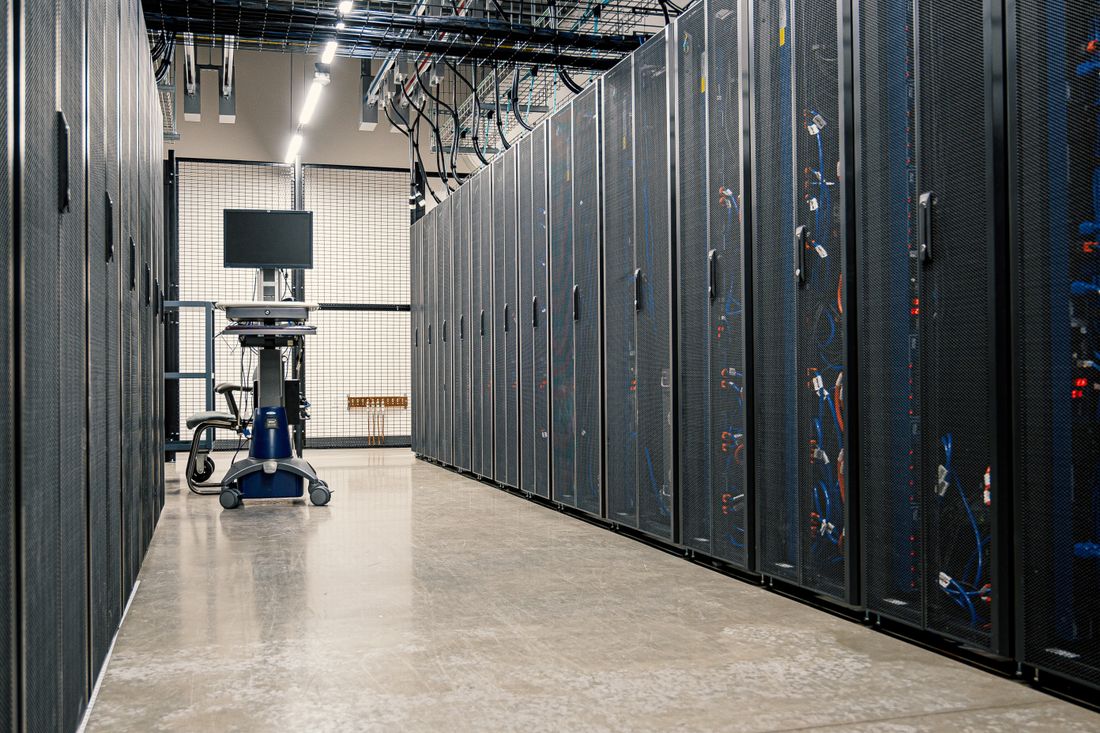
Editorial stock photography illustrates the subject and does not depict a specific GCO Adali engagement.