







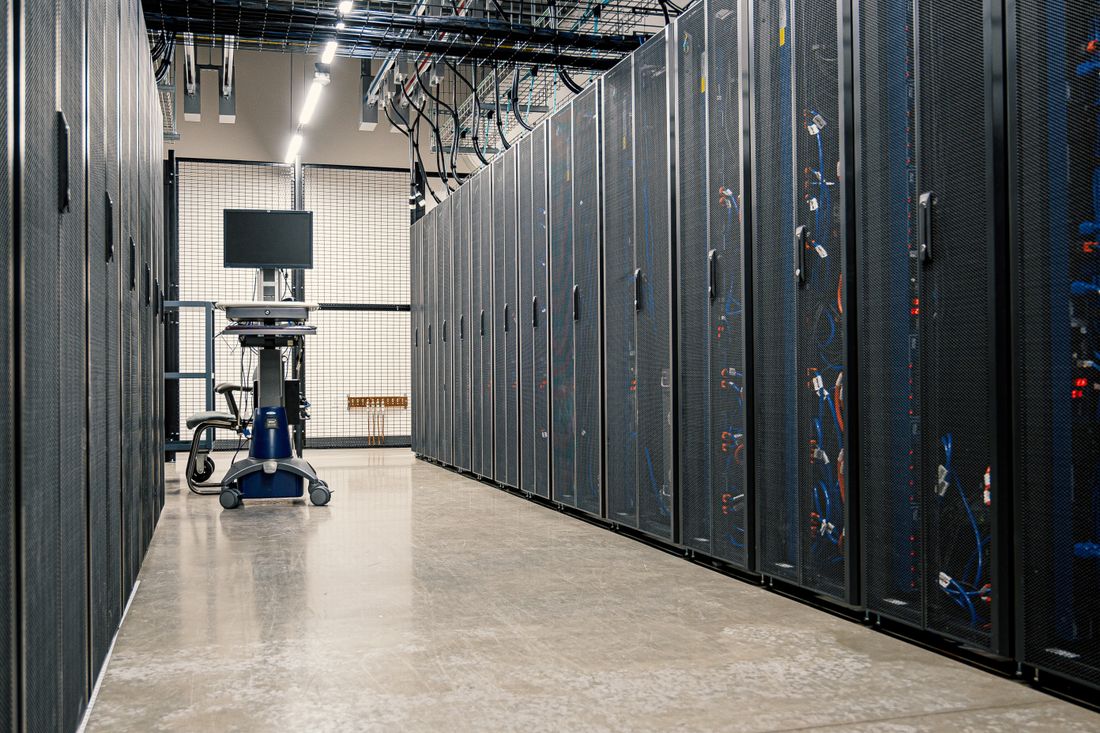







GCO Adali / IT Audit & Assessment
Know your systems.Own yournext move.
Technology risk is a business decision. GCO Adali helps leadership teams understand the condition of their IT estate, uncover weak controls and costly dependencies, and decide what to fix, protect or modernize first.
Infrastructure. Cloud. Identity. Security. Resilience. One joined-up assessment, translated into priorities the board and technical teams can act on.
Infrastructure & assets
Map critical infrastructure, system condition, lifecycle exposure and undocumented dependencies before they interrupt delivery.
Move it directly with your finger or mouse. Click a system label to inspect the evidence GCO would assess.

The question behind the audit
What don't you know about the technology your business depends on?
Leadership often sees the symptoms before the underlying risk: recurring downtime, escalating vendor costs, uncertain security posture, unreliable reporting, or a cloud environment no one can fully explain. Our role is to turn those concerns into a structured picture of systems, controls, ownership and exposure—then into a realistic plan of action.
A serious assessment does not begin with a list of tools. It begins with what the business cannot afford to lose.
02 / The inspection ledger
See the entire estate. Not just the obvious risks.
Explore the domains a focused or comprehensive IT assessment can cover. The scope is tailored to your business, critical services and existing evidence—not forced into a generic checklist.
IT infrastructure & assets
Servers, endpoints, virtualization, lifecycle status, configuration hygiene, dependencies and technical ownership.
Identity & access
Account hygiene, permissions, authentication, joiner–mover–leaver processes and administrative separation.
Network & cyber controls
Segmentation, exposure, firewall rules, monitoring, endpoint protection, vulnerability management and incident preparation.
Cloud & applications
Cloud and SaaS governance, dependencies, resilience, licensing, integration complexity and data access.
Continuity & recovery
Backup scope, restoration confidence, recovery responsibilities, service criticality and operational resilience.
Governance & suppliers
IT ownership, service accountability, vendor contracts, documentation, spend visibility and decision-making.

From exposure to executive clarity
The purpose of an audit is not to create more uncertainty. It's to show where action matters.
03 / Inside an assessment
A finding should be understandable, defensible and usable.
Explore representative finding formats. This is an editorial demonstration of the reporting structure—not a client audit, measured result, or claim that a finding exists in your environment.
Select an example finding
A useful audit separates the observed condition, the business consequence, the evidence, and the decision required.
Who can change the systems that keep you operating?
A leadership team may not have reliable visibility over privileged access across servers, cloud services and business-critical applications.
Illustrative format only. No client systems were inspected to create this example.
04 / Where technology meets the business
Technical depth. Commercial perspective.
We examine technology through three connected lenses, so the assessment supports both operational teams and the leaders who must approve the next investment or change.
Technology condition.
Infrastructure, cloud, applications, assets, interdependencies and lifecycle exposure.

Controls that matter.
Access, resilience, security hygiene, change processes and available evidence.

Business consequences.
Ownership, prioritisation, suppliers, cost exposure and practical delivery choices.
05 / The assessment approach
Evidence first. Action follows.
The detailed scope, authorisations and techniques are confirmed before work begins. Review activities are planned to respect operational continuity, confidentiality and access boundaries.
Frame the mandate.
Agree critical business services, decision objectives, system boundaries, stakeholders and authorised assessment methods.
Map the landscape.
Review architecture, records, controls, vendor dependencies and the people who operate the environment.
Test the evidence.
Evaluate relevant control design and available operational evidence; conduct approved technical checks where appropriate.
Prioritise action.
Explain observations in business terms and agree owners, decisions, sequencing and a management review path.
06 / What remains after the review
Not just a report. A basis for action.
Outputs are scoped to the mandate and evidence available. The aim is a decision-ready set of documents, not a stack of technical observations without ownership.

Executive assessment brief
What matters to the business, principal exposures, important trade-offs, uncertainties and decisions needing leadership attention.
IT estate and dependency map
Critical systems, integrations, vendors, ownership and the dependencies that shape resilience and change complexity.
Evidence-backed findings register
Observed conditions, supporting evidence, potential consequences, control gaps, qualifiers and responsible owners.
Prioritised remediation roadmap
Recommended steps arranged by urgency, dependencies, business relevance and practical implementation sequencing.
Leadership and technical readout
A structured conversation connecting the executive decisions with the teams who will carry them out.
07 / Shape your assessment
Start with the pressure you feel.
Not every organisation needs the same audit. Choose the situation closest to yours to see a sensible starting mandate and the questions we would clarify with you.
Before an engagement
Questions worth asking first.
Is an IT assessment the same as penetration testing?
No. An IT assessment can cover governance, architecture, operational controls, resilience and security configuration. Penetration testing is a specialised, authorised form of active security testing and is not automatically part of every assessment. We agree any intrusive testing explicitly.
Will an audit disrupt our business or require administrator access?
Scope and access requirements depend on the review. We prioritise document and configuration review, interviews and agreed evidence collection; any active checks require planned authorisation and operational precautions.
Can GCO work with our internal IT team or provider?
Yes. A well-scoped review can work alongside existing teams and vendors, clarifying evidence, control ownership, recommendations and delivery responsibilities rather than assuming wholesale replacement.
What if we already have security tools and audits?
Existing evidence is valuable. The assessment can focus on unresolved gaps, control effectiveness, missing ownership, architecture decisions or an independent executive perspective without needlessly repeating past work.
Will we receive recommendations our management can act on?
The objective is to connect technical observations to business consequences and documented decisions, with feasible actions and accountable owners. The precise deliverables are agreed at the start.
How much does an IT audit cost, and how long does it take?
That depends on the number and complexity of sites, systems, organisations, the existing evidence and the agreed testing depth. A first discussion can help define the scope and the right engagement model before a proposal is developed.
Assess the technology that is actually running.
An informed technical review starts with real infrastructure, dependencies and operational evidence.

Editorial stock photography illustrates the subject and does not depict a specific GCO Adali engagement.