













GCO Adali / Digital Transformation
Your systems should move your business forward.
Your teams are capable. Your technology should be helping them—not forcing them to work around broken processes, scattered data and disconnected tools. GCO Adali identifies what is slowing you down, designs the right solution, implements the agreed changes, and stays focused on whether the new way of working actually works.
Remove repetitive work. Keep control.
We map real approval steps, eliminate unnecessary handoffs, configure automation and test the new process with the people who will use it.
Business diagnosis
Architecture and priorities
Hands-on implementation
Verification and handover
Recognise the problem
When the business grows, the workarounds grow with it.
Transformation often starts with something very concrete: a report that takes days, an approval that disappears, two systems that disagree, or a team doing the same task three times. You don’t need a technology shopping list. You need those problems solved.
Too much is still manual.
Requests, approvals and handovers live in inboxes and spreadsheets. GCO maps the process, removes avoidable steps and configures a workflow that can be followed and measured.
Systems don’t talk to each other.
Teams re-enter data across CRM, ERP, finance and operations tools. GCO evaluates integration paths, connects agreed interfaces and validates the exchange against real cases.
Reports arrive too late.
Numbers have to be collected, corrected and reconciled. GCO defines useful data flows, builds reporting views and clarifies who owns the source and accuracy of each measure.
Legacy tools limit progress.
Old platforms, fragile infrastructure and overlapping subscriptions create cost and operational risk. GCO plans pragmatic modernization, executes agreed changes and manages transition dependencies.
Not more software. Better business.
We don’t hand you a transformation slide deck and disappear. We help make the change real.
From today’s frustration to tomorrow’s operating model
We look. We design. We build. We make it work.
Digital transformation should have an owner, a delivery sequence and acceptance criteria. Explore the five steps of a potential GCO engagement. Each stage is tied to work performed—not just a recommendation.
First, we understand what is really slowing the business down.
GCO works with process owners and IT teams to trace the steps behind delays, duplicated entry and unreliable information. We inspect the current applications, dependencies and constraints before proposing technology. The result is a defined problem, not a vague modernization slogan.
Process workshops, application and data review, workflow mapping and risk identification.
Current-state map, prioritised opportunity register and a clear first scope.
Digital transformation services
What GCO Adali can put into operation.
Different businesses need different solutions. We focus on the actual operating problem and then scope the combination of process, software, infrastructure, data and change management needed to address it.
Workflows that do the work.
Replace email chains, manual approvals and duplicated steps with structured, visible processes. We map what really happens, configure the right automation and validate exceptions with your teams.
Digital request forms, approval routing, task notifications, case tracking, workflow integrations and usable ownership records.
Applications that work together.
Disconnected systems create invisible work and inconsistent information. GCO reviews application architecture, defines reliable connections and implements agreed interfaces or migrations with testing and rollback considerations.
Approved API integrations, system configuration, data exchange, platform consolidation and controlled migration steps.
Information leadership can use.
When each department has its own version of the truth, management loses time debating the numbers. We clarify data definitions, build reporting flows and help people rely on information that can be traced back to its source.
Reporting models, practical KPI dashboards, scheduled data feeds, access controls and data-quality checks.
Technology ready for the next stage.
Transformation stalls if legacy architecture, access controls, devices or cloud environments cannot support the new ways of working. We connect the business plan to the infrastructure, security and user adoption work it needs.
Cloud and infrastructure improvements, identity and permission changes, collaboration tooling, deployment support and user onboarding—according to the agreed scope.
Your issue → Our intervention
Tell us what hurts. See how the work begins.
A buyer may know something is wrong without knowing the technology needed. Choose the problem closest to your business. This interactive workbench illustrates how GCO would approach a scoped intervention, from investigation to an operational change.
An approval shouldn’t need five reminders.
We trace the approval journey, identify handoffs and exceptions, then build a trackable workflow that the team can use without chasing emails.
Configured digital forms, responsibility-based routing and a record of decisions.
Test live-like scenarios, approve exceptions with owners and check that staff can complete the process.
More than a report
Real work. Clear ownership. A usable result.
What you receive should make it possible to operate, govern and improve the solution—not simply admire it. Depending on the mandate, these are examples of work products GCO can help create and deliver.
Business process and system map
Documented current-state bottlenecks, dependencies, stakeholders and transformation priorities.
Solution and integration blueprint
Agreed workflows, interfaces, permissions, data definitions, acceptance tests and deployment approach.
Configured solutions
Implemented and tested changes to agreed applications, workflows, infrastructure or reporting tools.
Migration and cutover record
Change log, data validation notes, implementation decisions, fallback and unresolved items.
Training and operating guidance
Role-based instructions, owner responsibilities, practical handover and user readiness support.
Acceptance and improvement plan
Agreed checks, test results, remaining risks, issue ownership and post-launch priorities.
Why choose GCO Adali?
The point is not to tell you what to change. It is to help you change it.
Business owners need a partner who can move between the boardroom and the systems their teams use each day. Our proposed engagement links strategy, process design, implementation and operational handover instead of treating them as separate conversations.
Not a fashionable tool, unnecessary platform replacement or one-size-fits-all methodology.
Budget, existing applications, people, access, risk and the sequence of change are part of the work.
Configuration, integration, migration, training and validation can be included explicitly in the delivery scope.
Owners, acceptance criteria, implementation evidence and remaining risks are visible—not hidden behind jargon.
Questions decision-makers ask
From idea to implementation.
Before committing, you should know who does the work, what changes and how success will be accepted.
Will GCO only recommend a solution, or also implement it?
Implementation can be a defined part of the engagement. Depending on agreed scope, the work may include configuration, workflow automation, integrations, data migration, deployment, testing, training and handover. We separate proposed services from the specific responsibilities agreed in your project.
We do not know which software to choose. Can we start anyway?
Yes. We can start with the business problem, current way of working and the systems already in place. The objective is to identify a justified direction before committing to a product or implementation.
Can you work with our current IT team, ERP or existing suppliers?
Yes, subject to access and scope. A practical project may involve your internal team, software vendors and other providers. We clarify responsibilities, system constraints and dependencies before execution.
Will transformation interrupt normal operations?
Change involves risk. We work to plan realistic pilots, testing, transition windows, stakeholder communication and fallback arrangements where appropriate. The plan depends on the actual systems and business constraints.
How do we know the project delivered something useful?
We recommend agreeing measurable acceptance criteria at the beginning: task completion, data consistency, process traceability, system stability, user readiness or other outcomes relevant to your mandate. Results are checked against the evidence available, rather than guaranteed in advance.
Can we start with one process rather than transforming the whole company?
Yes. A focused first scope is often practical: one approval workflow, a data exchange, reporting area or system migration. It can establish a repeatable approach before a wider rollout.
GCO Adali / Let’s get to work
Show us where the business is stuck. We’ll help move it forward.
Tell us what is slowing your team, which systems are involved and what has to change. We’ll discuss a practical first scope, who needs to be involved and the next actions required to move from problem to working solution.
GCO Adali · Strategy, technology, execution · Digital Transformation
Digital progress is a people-and-process decision.
New tools are useful only when the organization can adopt them and connect them to its daily work.


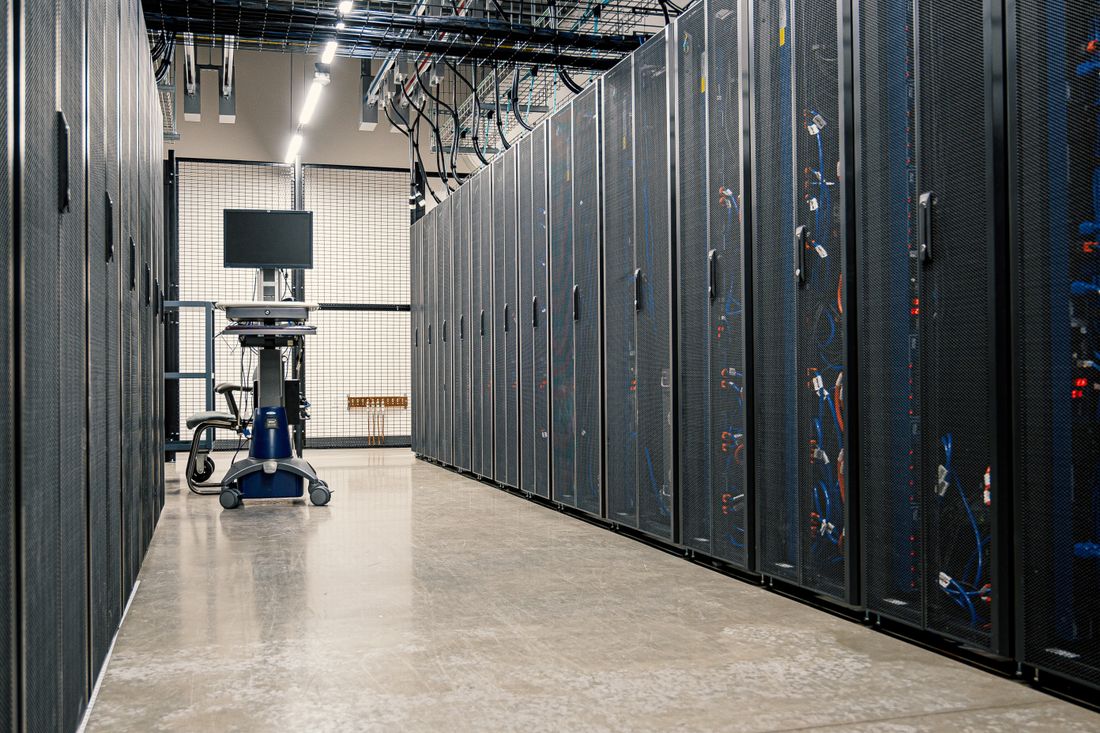
Editorial stock photography illustrates the subject and does not depict a specific GCO Adali engagement.